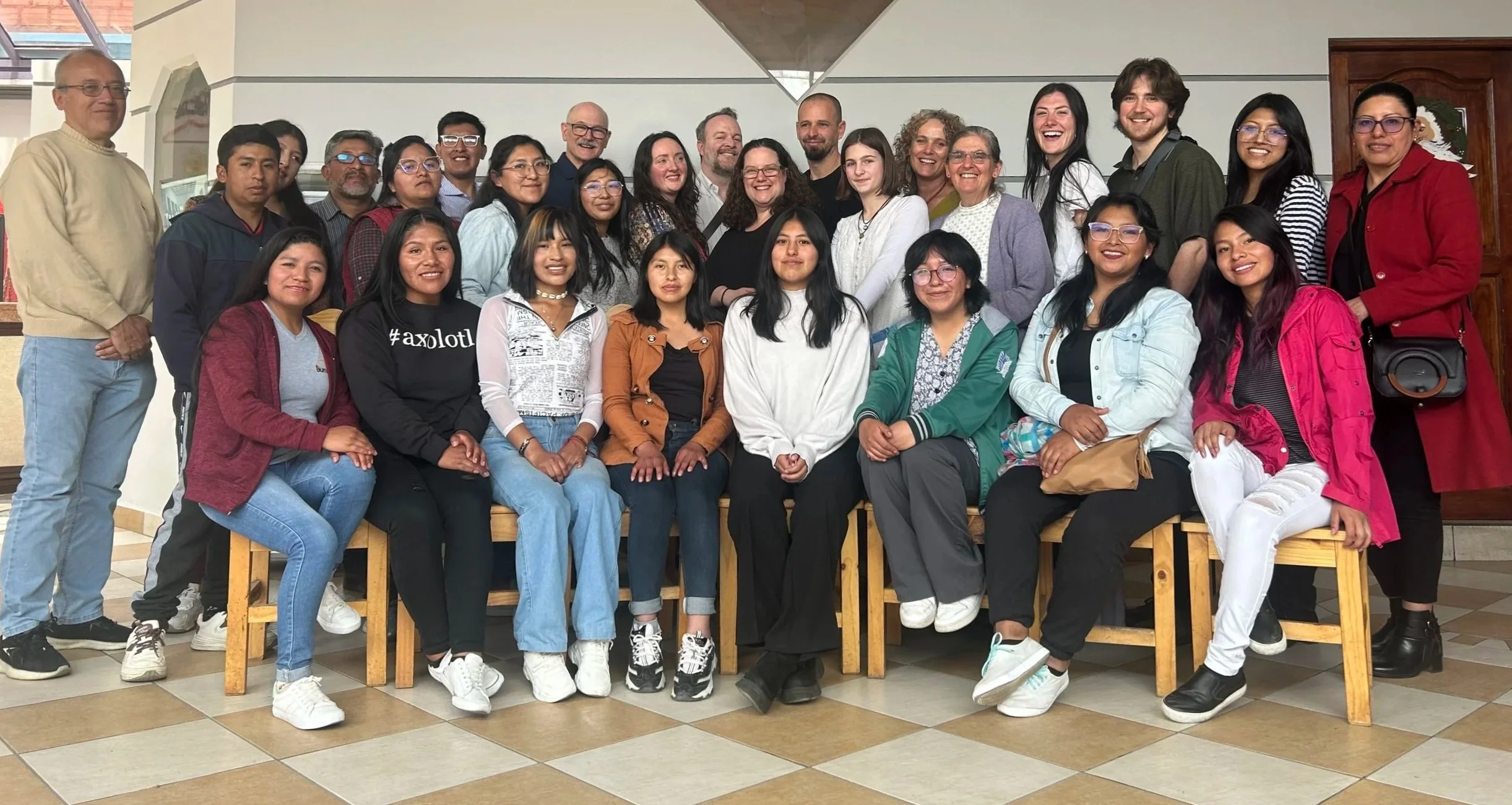
BQEF supports educational opportunities for Indigenous Peoples of Bolivia through scholarships and programs rooted in Peace, Community, Equity, and Stewardship, while promoting inter-cultural learning with F/friends from the US, UK, and Bolivia.
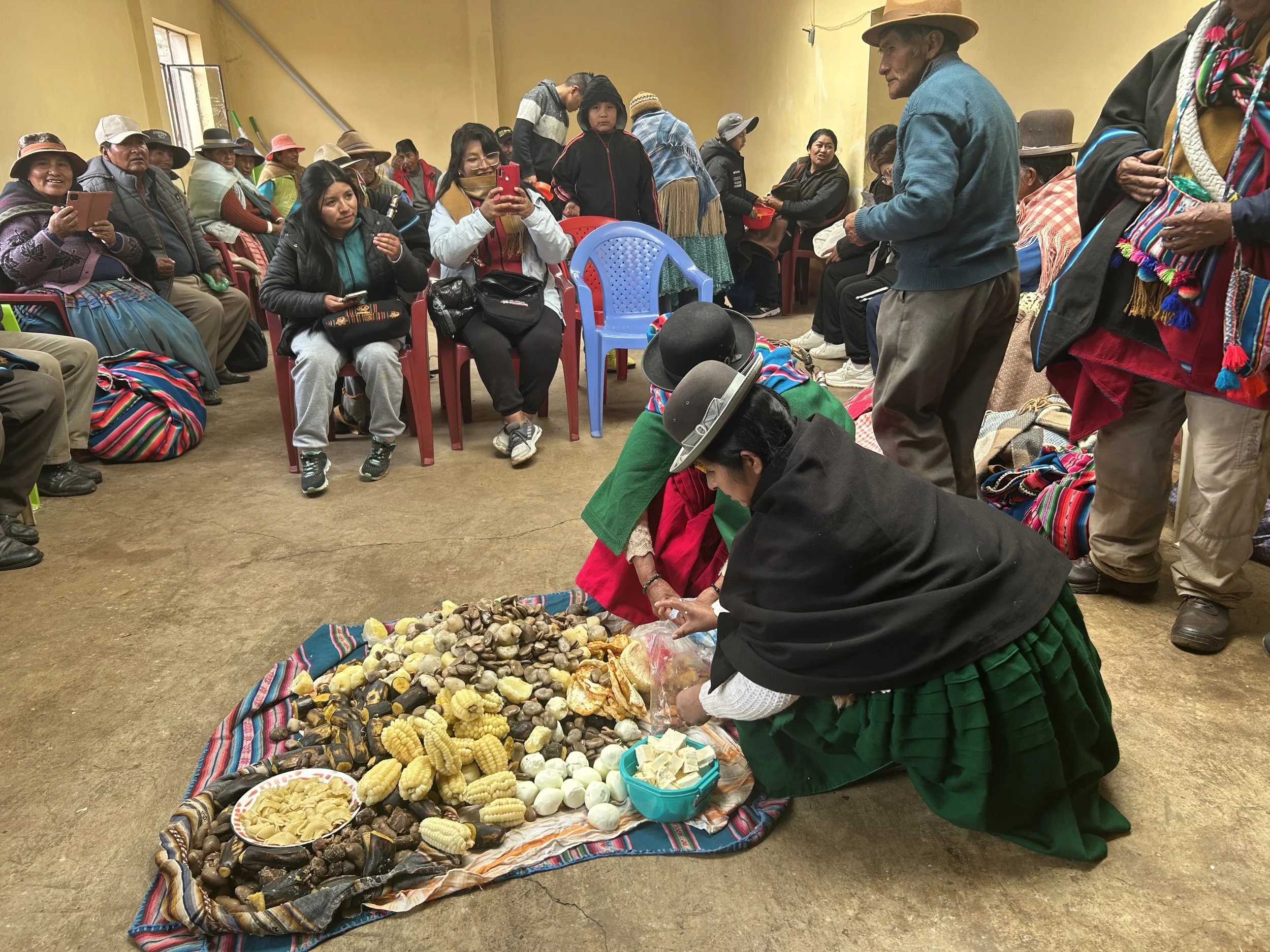
Indigenous peoples of Bolivia were systematically denied access to education until the mid-20th century. Landmark educational reforms in 1952 began to dismantle these barriers, and Quaker organizations played a pivotal role by establishing some of the first schools that welcomed Aymara and Quechua students. These efforts were vital in promoting literacy and educational opportunities among indigenous populations. Today, while public education is more accessible to indigenous Bolivians, challenges remain. The costs of transportation, food, school supplies, and housing, especially for those who travel long distances to attend higher education institutions, are serious barriers. This economic burden makes it difficult for indigenous youth to pursue their educational goals.
History of Quakerism in Bolivia
Bolivia’s Quaker community is among the largest in Latin America, with tens of thousands of members.
During the 16th-century Spanish conquest, Andean Indigenous peoples like the Aymara faced forced assimilation and Christianization. Many communities used religious syncretism—blending Christian elements with Indigenous beliefs—as an adaptive and resistant strategy to preserve their rites and social structures.
Quakerism originated in 17th-century England and spread globally through 19th–20th-century missions and migration. Connections between international Quaker groups and Bolivian indigenous peoples are relatively recent. It is said that the first Quaker missionaries arrived in Bolivia in the early 21st century from the United States. Quaker–Indigenous encounters have varied: some were mutually supportive and educational; others, shaped by colonial frameworks, pushing further assimilation.
BQEF is committed to respectful accompaniment that prioritizes Aymara leadership and priorities. Our approach, characterized by self-reflection and mutual-learning, celebrates solidarity and shared values without erasing colonial history or undermining indigenous cultural self-determination.
In 2025, to align our work more closely with Quaker values, BQEF revised its mission to support Indigenous Peoples of Bolivia and those we call “friends of Friends, or F/friends.” We prioritize strengthening initiatives that reflect Quaker Testimonies, regardless of people’s religious affiliation.
Your donation makes a difference.
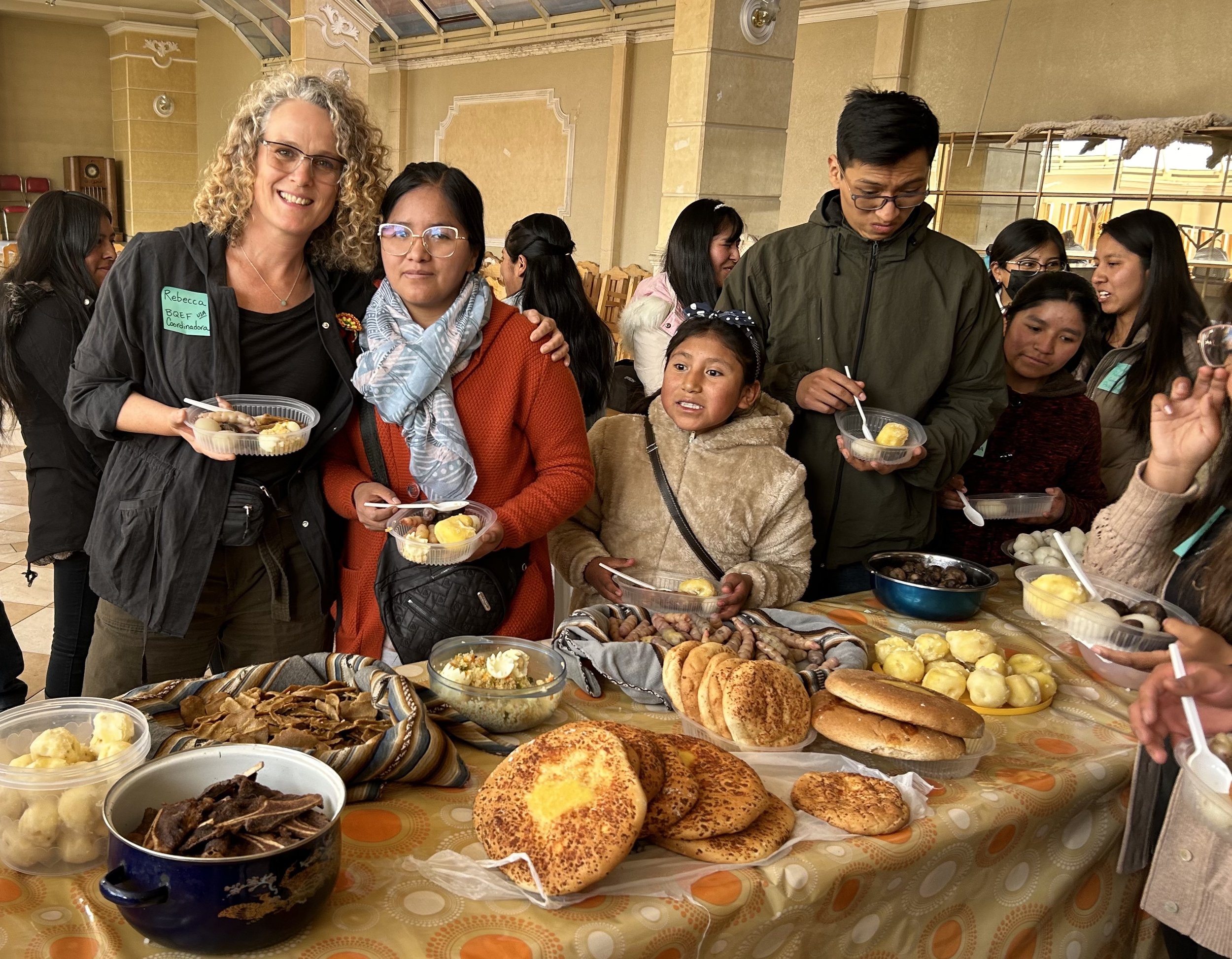
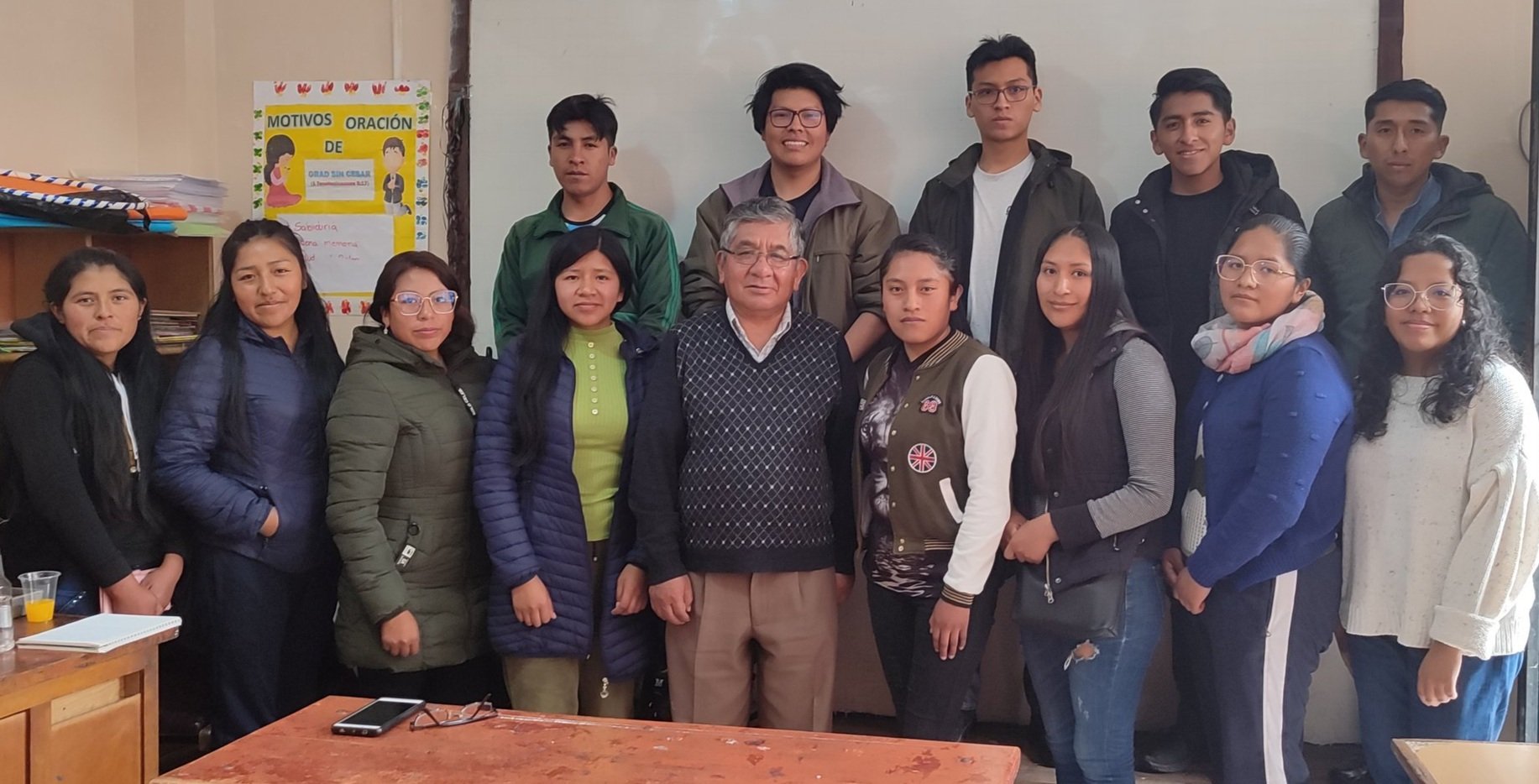
As of 2026, BQEF has helped over 280 students earn their professional and technical degrees. With your support, we’re currently providing 23 university scholarships through the Fundación Quakera de Educación en Bolivia, FQEB. In July, 2026 we launched a new scholarship cohort with 5 students, from a boarding house in Sorata, run by the organization AVP/PAV Bolivia (Alternatives to Violence Project/ Proyecto Alternativo a la Violencia). The founder, Magaly Quispe, a BQEF scholarship alumni, also provides AVP workshops for all scholarship students. All donations support our Scholarship Program, AVP Workshops, Paid Internships and Volunteer Opportunities for F/friends in Bolivia, the US, Canada, and the UK.
News



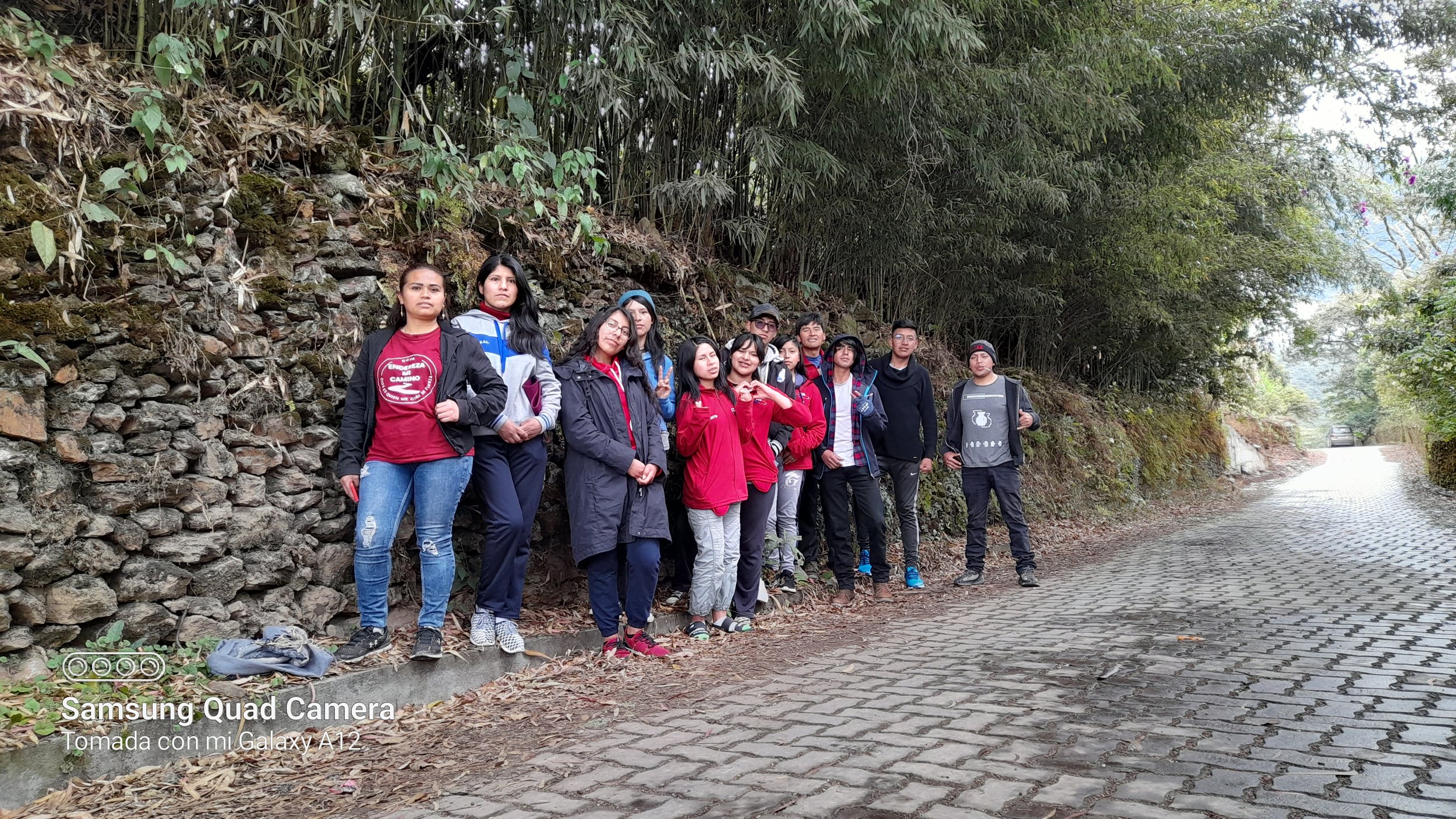

“ La educación es la llave que abre las puertas del futuro; cada lección aprendida es un paso hacia los sueños que deseas alcanzar.”